
How Live Floor Data Helps Plants Balance Workloads Across Lines
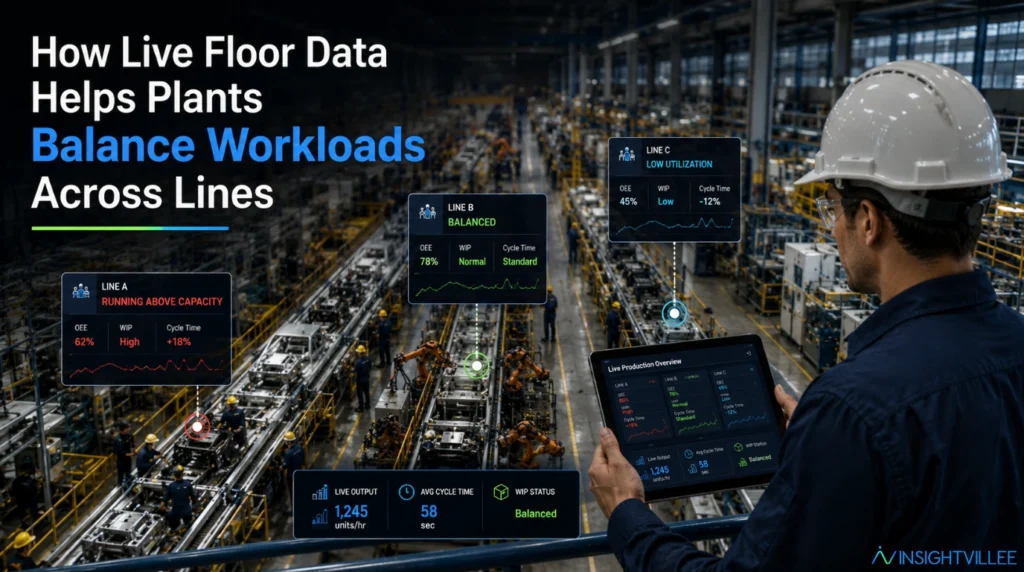
How Live Floor Data Helps Plants Balance Workloads Across Lines Live floor data helps plants balance workloads across lines because it shows what is happening on each line while production is still running. In many large plants, one line is overloaded while another line has spare capacity. One line may be behind plan. Another may […]
How Cross-Plant Benchmarking Helps Leaders Find Hidden Performance Gaps
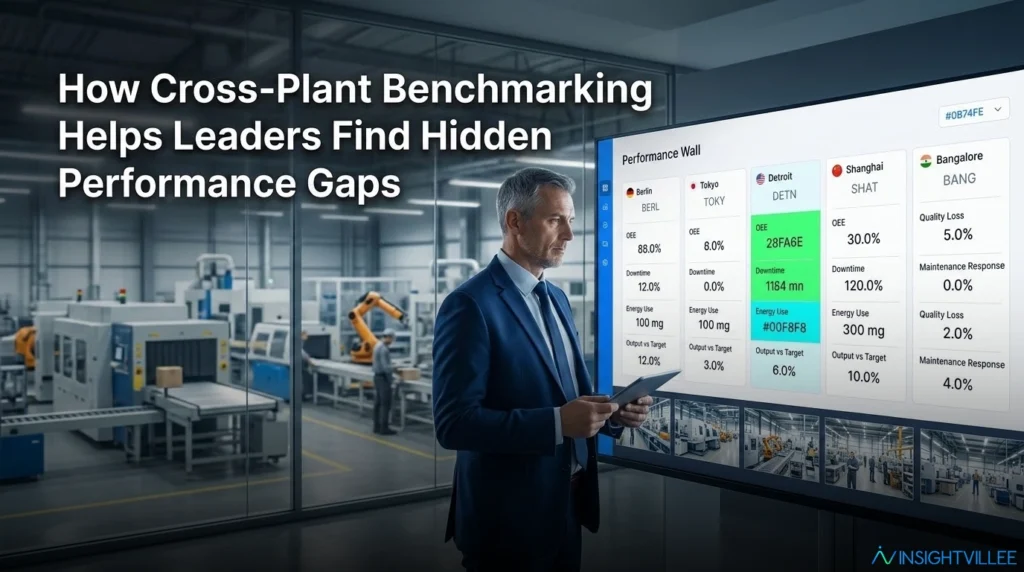
How Cross-Plant Benchmarking Helps Leaders Find Hidden Performance Gaps Cross-plant benchmarking helps operations leaders see which plant is performing better, which plant is falling behind, and why the gap exists. Many manufacturing groups receive reports from every plant. But the data is often delayed, inconsistent, or difficult to compare. One plant reports OEE by line. […]
How Real-Time Zone Alerts Help Prevent Safety Incidents in Manufacturing Plants
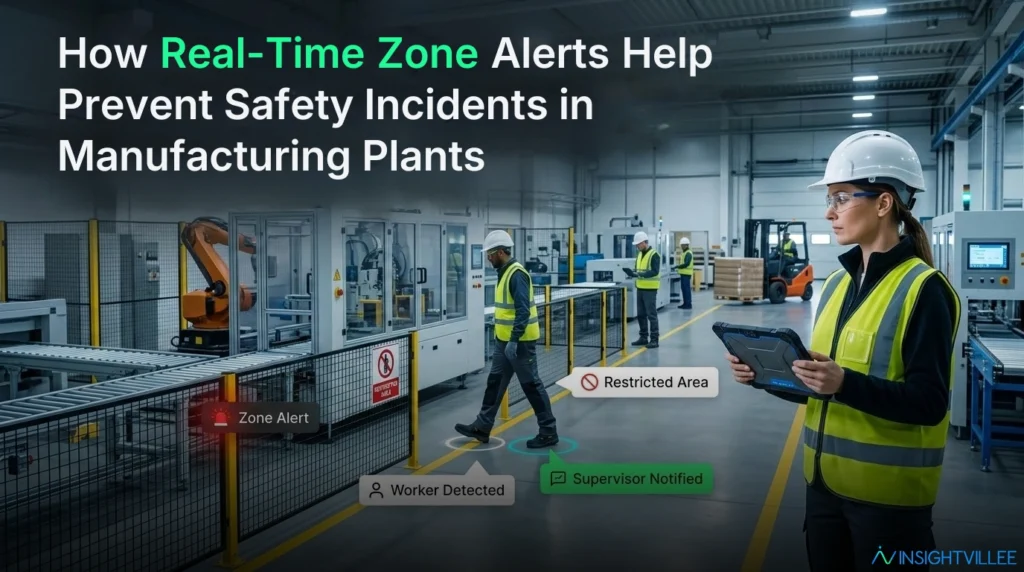
How Real-Time Zone Alerts Help Prevent Safety Incidents in Manufacturing Plants Real-time zone alerts help prevent safety incidents because they warn plant teams when unsafe movement is happening, not after the shift is over. Manufacturing plants have many high-risk zones. A worker may enter a restricted machine area. A forklift may move close to a […]
6 Waste Reporting Gaps That Hide Material Loss in Manufacturing Plants
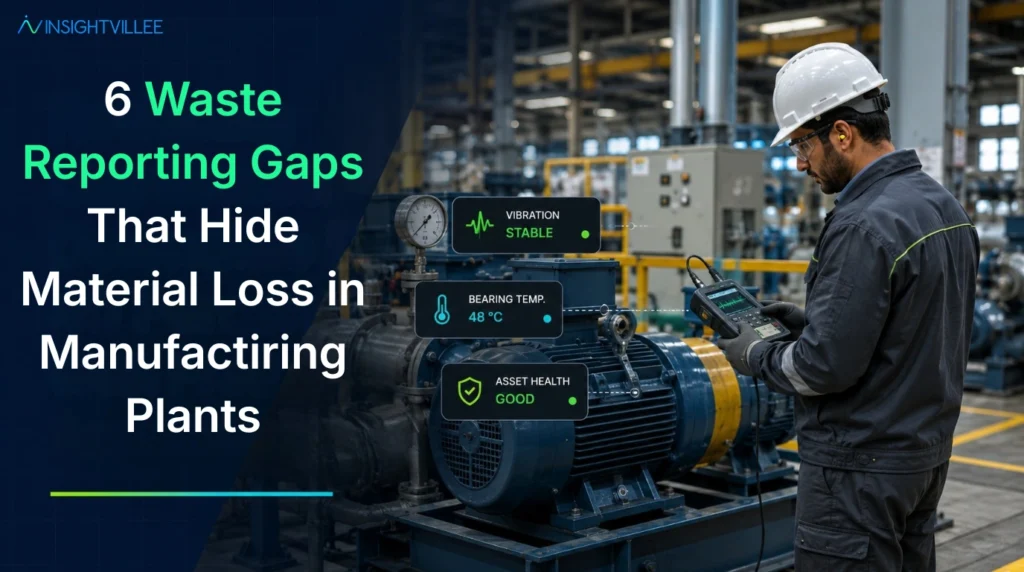
6 Waste Reporting Gaps That Hide Material Loss in Manufacturing Plants Waste reporting gaps hide material loss because waste happens during live production, but many plants record it only after the shift, day, or month ends. Material waste directly affects production cost, yield, margins, and ESG reporting. A few kilograms lost in each batch may […]
Why Carbon Data Should Be Tracked at Machine Level, Not Month-End
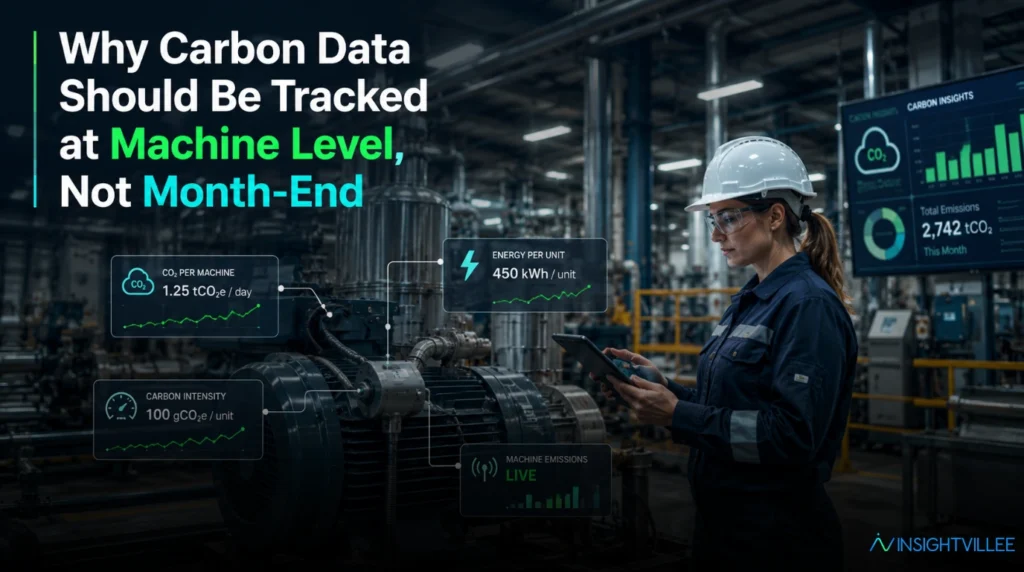
Why Carbon Data Should Be Tracked at Machine Level, Not Month-End Carbon tracking manufacturing cannot depend only on month-end reports because emissions are created during live production, machine by machine, shift by shift. Many plants still calculate carbon data after the month ends. Teams collect electricity bills, fuel records, production reports, water usage, waste records, […]
6 Multi-Plant Reporting Problems That Slow Down Operations Leaders
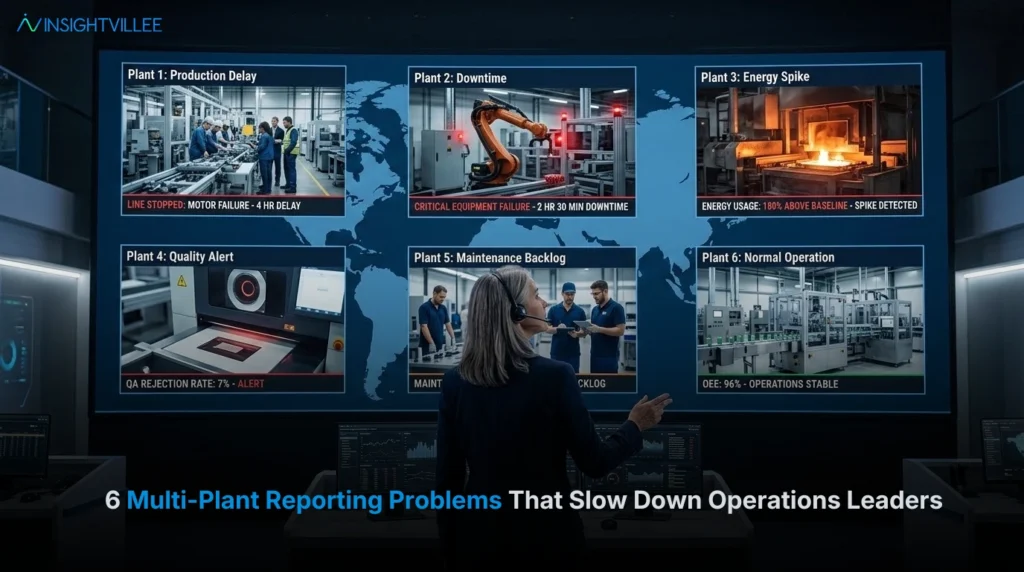
6 Multi-Plant Reporting Problems That Slow Down Operations Leaders Multi-plant reporting slows down operations leaders when every plant sends different data, in different formats, at different times. A leader managing five plants cannot wait for Excel sheets, emails, PDFs, and WhatsApp updates to understand what happened yesterday. By the time reports are cleaned and compared, […]
Why Safety Compliance Cannot Depend on End-of-Shift Checklists
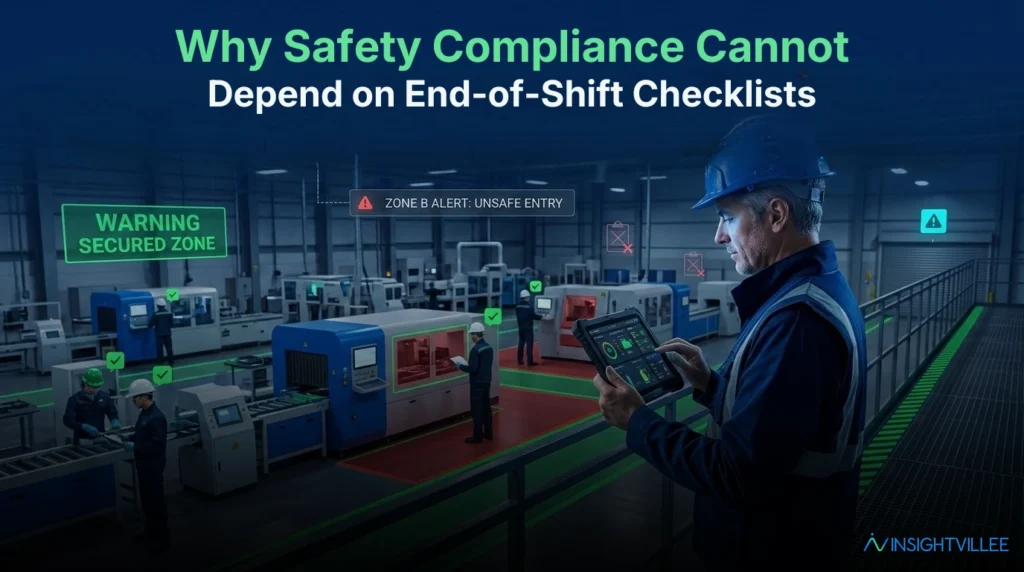
Why Safety Compliance Cannot Depend on End-of-Shift Checklists Safety compliance manufacturing cannot depend on end-of-shift checklists because safety risks happen during the shift, not after it ends. A worker enters a restricted zone without the right PPE. A forklift moves through a busy pathway. A maintenance activity starts near a running machine. A near miss […]
5 Reasons Static Production Plans Fail on the Shop Floor
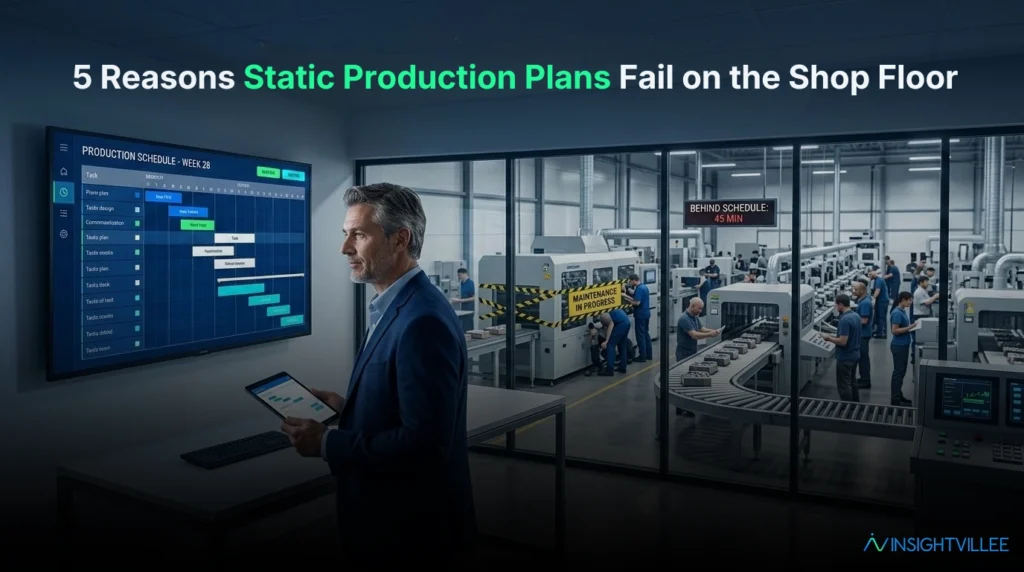
5 Reasons Static Production Plans Fail on the Shop Floor Static production plans may look accurate during planning, but they often fail once real shop floor conditions start changing. A fixed plan cannot respond quickly to machine downtime, material shortages, urgent order changes, quality issues, or shift-level execution gaps. In a large plant, the plan […]
7 Hidden Links Between Energy Waste and OEE Loss in Large Plants
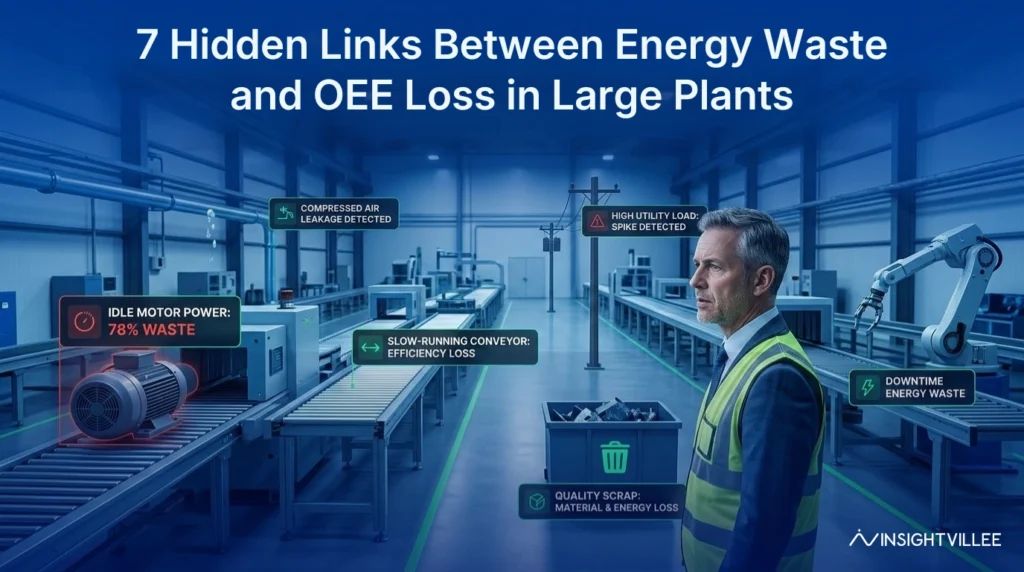
7 Hidden Links Between Energy Waste and OEE Loss in Large Plants Why Energy Waste and OEE Loss Are Often Connected Energy waste and OEE loss are often connected because the same shop floor problems that reduce output also increase energy consumed per good unit. In many large plants, production teams review OEE while utility […]
5 Reasons Predictive Alerts Alone Do Not Stop Production Loss
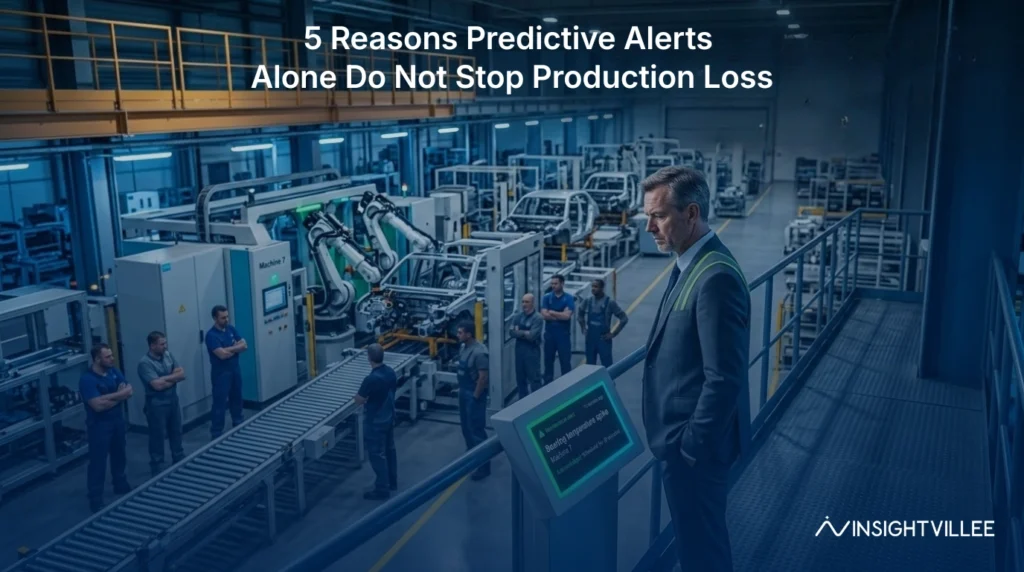
Why Predictive Alerts Are Useful, But Not Enough Predictive alerts are useful because they warn teams before a likely failure, but they are not enough because warnings do not automatically become action. Many large plants already receive predictive maintenance alerts. A motor shows abnormal vibration. A pump shows rising temperature. A compressor shows early signs […]